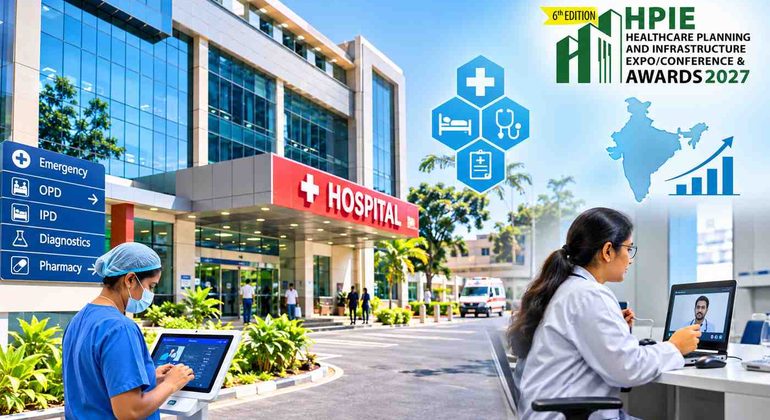

India’s healthcare sector is undergoing a major transformation. Rising healthcare demands, increasing investments, modern medical technologies and digital innovations are changing how medical services are delivered across the country. From the expansion of hospitals and medical colleges to the adoption of telemedicine and artificial intelligence, the country is taking important steps towards building a stronger healthcare ecosystem.
Healthcare Infrastructure in India is no longer limited to constructing hospitals or increasing the number of beds. It also involves improving medical accessibility, strengthening diagnostic facilities, developing skilled healthcare professionals and integrating digital solutions into everyday medical services.
As India’s population grows and healthcare expectations evolve, developing a reliable and accessible healthcare system has become increasingly important. This article explores India’s healthcare infrastructure growth, government initiatives, digital transformation and the opportunities that could shape its future.
Understanding Healthcare Infrastructure in India
Healthcare infrastructure refers to the physical facilities, medical equipment, healthcare professionals, technology and supporting systems required to provide medical services.
In India, this infrastructure includes government hospitals, private healthcare institutions, primary health centres, community health centres, medical colleges, diagnostic laboratories and specialised treatment facilities.
A strong healthcare system requires more than large hospitals. Patients also need access to affordable consultations, timely diagnosis, emergency treatment and quality medical services, particularly in rural and underserved regions.
The development of healthcare infrastructure is therefore essential for improving health outcomes, reducing pressure on existing facilities and making quality treatment accessible to more people.
India’s Healthcare Infrastructure Growth: Key Developments
India has witnessed significant changes in its healthcare ecosystem over the past decade. Both government and private healthcare providers are expanding their facilities to address increasing demand for medical services.
Expansion of Hospitals and Medical Facilities
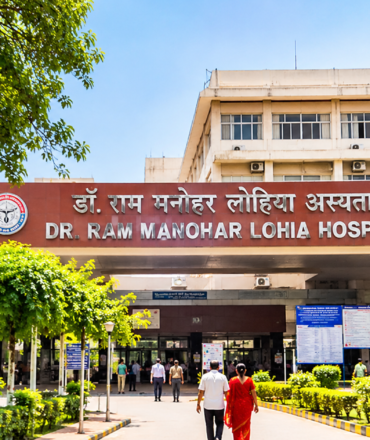
Hospital expansion is one of the most visible aspects of India’s healthcare development. Established hospital groups and emerging healthcare providers are investing in new facilities, additional beds, advanced diagnostic equipment and specialised treatment departments.
Major cities such as Delhi, Mumbai, Bengaluru, Hyderabad and Chennai continue to attract investments in advanced healthcare facilities. At the same time, healthcare providers are exploring opportunities in smaller cities to reach populations that have limited access to specialised treatment.
Development of Medical Colleges
Increasing the number of medical colleges is another important part of healthcare development. More medical education institutions can help strengthen the supply of doctors and improve access to healthcare professionals.
Government initiatives to expand medical education capacity are also expected to support the long-term development of India’s healthcare workforce.
Strengthening Rural Healthcare
Rural healthcare remains an important priority. Many communities continue to face challenges related to hospital access, specialist availability, transportation and diagnostic services.
Strengthening primary health centres, community health centres and district hospitals can help address these gaps. Better referral systems and digital consultation services can also connect rural patients with specialists in larger healthcare institutions.
Telemedicine and Online Consultations
Telemedicine allows patients to consult doctors remotely through digital platforms. It can be particularly useful for people living in rural and remote areas where specialist healthcare services may not be easily available.
Patients can receive medical guidance, discuss follow-up treatment and access consultations without travelling long distances.
The government’s eSanjeevani platform is an important example of how telemedicine can support healthcare accessibility across the country.
Digital Health Records and ABHA
The Ayushman Bharat Digital Mission (ABDM) is working towards developing an integrated digital health ecosystem.
The Ayushman Bharat Health Account (ABHA) provides individuals with a digital health account that can help them manage and access their health information through participating digital systems.
Digital health records can improve coordination between healthcare providers, reduce dependence on physical documents and support continuity of treatment.
Artificial Intelligence in Healthcare
Artificial intelligence is creating new opportunities in medical diagnosis, radiology, clinical decision support and hospital management.
AI-based tools can assist healthcare professionals in analysing medical images, identifying potential abnormalities and managing large volumes of clinical information.
However, these technologies must be implemented responsibly, with appropriate medical supervision, patient privacy safeguards and clinical validation.
Government Investment in Healthcare Infrastructure
Government investment in healthcare infrastructure plays a significant role in improving public health facilities and expanding access to medical services.
The Indian government has introduced several programmes and initiatives aimed at strengthening healthcare delivery, improving medical education and supporting digital health services.
Ayushman Bharat and Health and Wellness Centres
Ayushman Bharat is an important initiative focused on improving healthcare accessibility.
Its two major components include the Pradhan Mantri Jan Arogya Yojana (PM-JAY), which provides eligible beneficiaries with health coverage for specified hospital treatments, and the development of Health and Wellness Centres, now known as Ayushman Arogya Mandirs.
These facilities focus on comprehensive primary healthcare, including preventive care, screening and basic treatment services.
Pradhan Mantri Ayushman Bharat Health Infrastructure Mission
The PM-Ayushman Bharat Health Infrastructure Mission (PM-ABHIM) aims to strengthen public health infrastructure and improve the country’s ability to respond to public health emergencies.
Its focus includes developing critical care facilities, strengthening laboratory networks and improving surveillance systems.
Such investments are important for building a healthcare system that can respond more effectively to infectious diseases and other health emergencies.
National Health Mission
The National Health Mission (NHM) supports improvements in rural and urban healthcare delivery.
Its objectives include strengthening healthcare facilities, improving maternal and child health services, supporting disease prevention programmes and increasing access to essential medical services.
Together, these initiatives contribute to the long-term development of India’s public healthcare ecosystem.
Hospital Bed Capacity in India: Challenges and Opportunities
Hospital bed capacity in India is an important indicator of healthcare infrastructure. Adequate hospital beds are necessary to manage patient admissions, emergency cases, surgeries and specialised treatment requirements.
However, increasing bed numbers alone cannot solve all healthcare challenges.
Uneven Distribution of Hospital Beds
One of the major challenges is the unequal distribution of healthcare facilities across different regions.
Metropolitan cities generally have a higher concentration of private hospitals and specialised medical centres, while rural and remote areas often have fewer advanced facilities.
This difference can increase travel time, delay treatment and place additional pressure on major hospitals.
Need for Critical Care Facilities
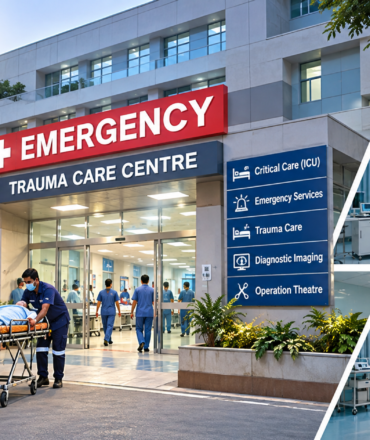
India also needs stronger critical care infrastructure, including intensive care units, emergency departments, advanced diagnostic facilities and trained medical professionals.
Investments in these areas can improve the ability of hospitals to manage complex medical conditions and emergencies.
Public and Private Sector Participation
Both public and private healthcare providers have an important role in increasing hospital capacity.
Government hospitals are essential for affordable and accessible treatment, while private institutions contribute through investments in advanced technology, specialised services and hospital expansion.
Effective collaboration between these sectors can support more balanced healthcare development.
Future of Healthcare Infrastructure in India
The future of healthcare infrastructure in India will depend on how effectively the country combines physical expansion with technological innovation and affordable medical services.
Several developments are likely to influence the next phase of healthcare growth.
Smart Hospitals and Advanced Medical Technology
Hospitals are increasingly adopting digital hospital management systems, electronic health records, automated laboratory processes and advanced diagnostic equipment.
Smart hospital technologies can improve operational efficiency, reduce administrative delays and support better coordination between medical departments.
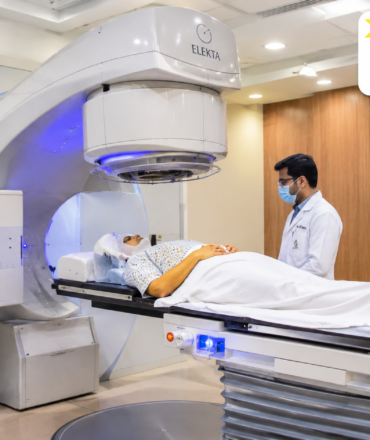
Robotic-assisted surgery, advanced imaging and AI-supported diagnostic systems are also creating new possibilities for specialised medical care.
Growing Investment in Healthcare
India’s healthcare sector is attracting interest from hospital operators, medical technology companies, pharmaceutical businesses and investors.
Growing demand for specialised treatment, preventive healthcare and diagnostic services is creating opportunities for further investment.
Hospital chains are also exploring expansion in Tier 2 and Tier 3 cities, where demand for organised healthcare services is increasing.
Preventive and Personalised Healthcare
The future of healthcare will not depend only on treating diseases. Preventive healthcare, early diagnosis and personalised treatment are becoming increasingly important.
Wearable health devices, remote patient monitoring and digital consultation platforms can help individuals monitor their health and receive timely medical guidance.
These developments could support a shift towards more patient-focused healthcare services.
Improving Healthcare Access in Smaller Cities
Expanding healthcare facilities beyond metropolitan areas will remain an important priority.
New hospitals, diagnostic centres, medical colleges and telemedicine networks can help reduce regional differences in healthcare access.
The success of this expansion will depend on the availability of trained professionals, sustainable investment and reliable medical infrastructure.
Major Challenges Facing India’s Healthcare Sector
Despite considerable progress, several challenges need attention.
Infrastructure gaps: Many regions still lack sufficient hospitals, diagnostic centres and specialised treatment facilities.
Healthcare workforce shortages: Recruiting and retaining qualified doctors, nurses and other healthcare professionals remains essential.
Affordability: The cost of advanced medical treatment can create financial pressure for patients and families.
Digital accessibility: Internet connectivity, digital literacy and data privacy concerns can limit the effectiveness of digital healthcare solutions.
Regional inequality: Differences in healthcare availability between urban and rural areas continue to affect access to quality treatment.
Addressing these challenges will require coordinated efforts from government agencies, healthcare providers, medical professionals and technology companies.
(FAQs)
Healthcare infrastructure in India includes hospitals, medical colleges, primary health centres, diagnostic laboratories, medical equipment, healthcare professionals and digital health systems that support medical services.
Major growth drivers include government initiatives, private sector investments, increasing demand for medical services, hospital expansion, medical technology and the adoption of digital healthcare solutions.
Digital healthcare is improving access to medical consultations, digital health records, remote patient monitoring and AI-supported medical services. Initiatives such as ABDM and eSanjeevani are supporting this transformation.
The major challenges include uneven distribution of beds, limited critical care facilities, shortages of healthcare professionals and insufficient medical infrastructure in rural and underserved areas.
The future is expected to involve smart hospitals, AI-based medical technologies, telemedicine, preventive healthcare, advanced diagnostics and greater investment in smaller cities.
Conclusion
The development of Healthcare Infrastructure in India is essential for building a stronger, more accessible and technology-driven healthcare system. Progress in hospital expansion, medical education, government investment and digital health initiatives is creating new opportunities for the sector.
However, long-term success will depend on addressing infrastructure gaps, improving hospital bed availability, strengthening the healthcare workforce and ensuring affordable treatment across urban and rural regions.
As digital technology and medical innovation continue to reshape healthcare delivery, India has an opportunity to build a more efficient and patient-centred healthcare ecosystem.
Disclaimer: This article is intended solely for general information and awareness and does not constitute professional advice, recommendation or endorsement; Healthcare Planning Infrastructure assumes no liability for decisions made based on its contents.