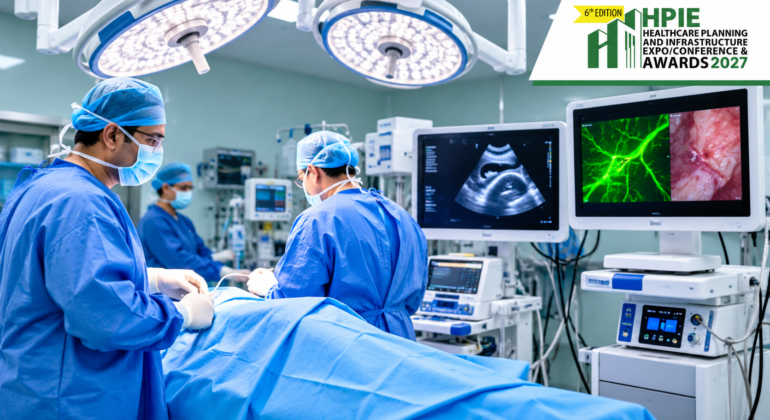

Modern operating theatres are undergoing a significant transformation as hospitals increasingly adopt advanced imaging technologies to support complex surgical procedures. Surgical outcomes today depend not only on the expertise of surgeons but also on the availability of reliable imaging systems, connected medical equipment and well-designed operating environments.
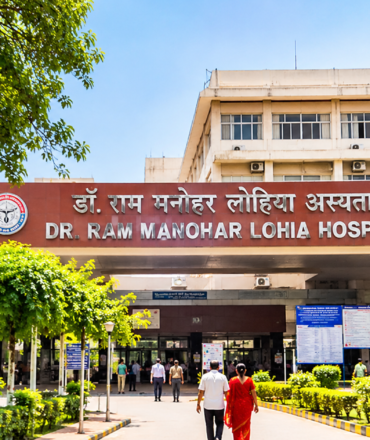
A recent procurement development at the All India Institute of Medical Sciences (AIIMS), New Delhi, highlights this changing landscape. On 17 November, AIIMS published procurement tenders for a high-end intraoperative ultrasound system for surgery and a fluorescence imaging system. These procurements reflect the growing importance of advanced imaging technologies in surgical practice and raise an important question for healthcare infrastructure planners: Are hospitals designing their operating theatres to accommodate the next generation of surgical technologies?
The shift towards technology-enabled surgery is making advanced operating theatre infrastructure an important consideration in hospital development. From electrical supply and equipment positioning to data connectivity and surgical workflow management, every aspect of OT planning must support the safe and efficient use of advanced imaging systems.
How Intraoperative Imaging Is Changing Modern Operating Theatres
Intraoperative imaging refers to imaging technologies used during surgical procedures to provide surgeons with real-time information about internal structures, tissues and organs. Unlike conventional imaging, which is often performed before surgery, these systems allow medical teams to obtain additional visual information while an operation is in progress.
Intraoperative ultrasound and fluorescence imaging are two technologies gaining importance in modern surgical environments.
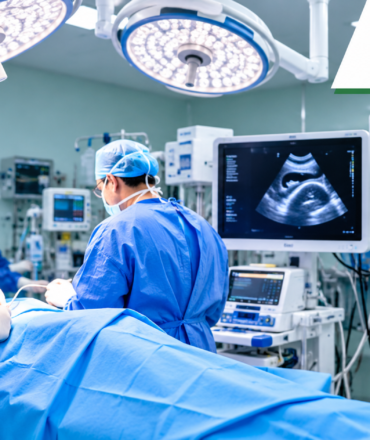
Intraoperative ultrasound allows surgeons to examine internal structures during an operation without necessarily interrupting the surgical workflow. It can be particularly useful in procedures involving the brain, liver and other complex anatomical regions.
Fluorescence-guided surgery uses specialised imaging systems and fluorescent agents to help visualise specific tissues, blood flow or anatomical structures. Depending on the procedure and imaging technology, this approach can provide additional information that may not be easily visible under conventional surgical lighting.
The increasing adoption of these technologies is changing the requirements of advanced operating theatre infrastructure. Hospitals must now consider where imaging equipment will be positioned, how it will connect with other surgical devices and how medical teams will access imaging information without disrupting the procedure.
Infrastructure Requirements for Integrating Advanced Imaging Systems
Introducing advanced imaging equipment into an existing operating theatre involves more than purchasing the equipment. The physical environment, electrical systems, network infrastructure and clinical workflow must all be evaluated before installation.
1. Equipment Positioning and Space Management
Operating theatres already accommodate several essential components, including surgical tables, anaesthesia workstations, patient monitoring systems, surgical lights and medical equipment.
Adding intraoperative ultrasound and fluorescence imaging systems increases the need for carefully planned equipment positioning.
Hospitals should evaluate the physical dimensions, mobility and operating requirements of each imaging system before finalising the OT layout. Equipment must remain accessible to surgeons and supporting staff without restricting movement around the operating table.
Ceiling-mounted equipment, mobile imaging units and wall-mounted displays may require different installation arrangements. The positioning of monitors is particularly important because surgeons and other members of the surgical team must be able to view imaging information without changing their working positions unnecessarily.
Effective hospital OT planning should therefore involve equipment manufacturers, biomedical engineers, surgeons and infrastructure designers from the initial planning stage.
2. Electrical Supply and Power Reliability
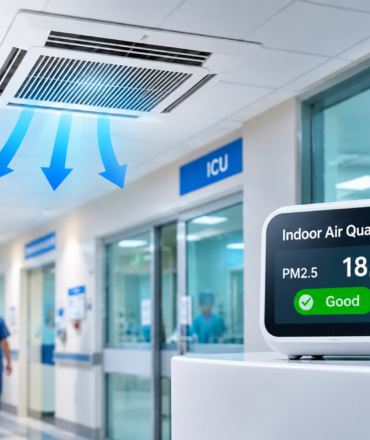
Advanced imaging equipment requires a stable and reliable electrical supply. Unexpected power interruptions during surgery can affect equipment performance and create operational challenges.
Hospitals must assess the electrical load requirements of individual systems before installation. Dedicated power connections, appropriate circuit protection, proper earthing and backup power arrangements should be considered according to equipment specifications and applicable electrical safety standards.
The integration of imaging systems may also increase the overall electrical demand of an operating theatre. Therefore, infrastructure teams should evaluate existing power distribution capacity before introducing additional equipment.
A well-planned electrical system helps ensure that surgical imaging systems can operate reliably alongside other critical OT equipment.
3. Data Connectivity and Digital Infrastructure
Connectivity is becoming one of the most important elements of advanced operating theatre infrastructure.
Modern imaging systems generate digital information that may need to be displayed on multiple monitors, transferred to hospital information systems or stored for clinical documentation and future reference.
For this reason, hospitals should plan sufficient network connectivity, compatible data interfaces and secure digital infrastructure.
Where supported by the equipment, integration with Picture Archiving and Communication Systems (PACS), electronic medical records and hospital information systems can improve access to diagnostic and surgical imaging information.
Reliable connectivity also becomes important when operating theatres use multiple displays or integrated control systems. Hospitals should assess network capacity, interoperability, cybersecurity and data storage requirements before introducing new imaging technologies.
4. Lighting, Displays and Operating Room Visibility
Different imaging technologies have different environmental requirements. Fluorescence-guided surgery, for example, may require specialised lighting conditions or compatible display arrangements depending on the system being used.
Operating theatre designers must therefore consider how conventional surgical lighting will work alongside advanced imaging equipment.
High-quality medical displays should be positioned to provide clear visibility without obstructing surgical access. Screen placement, viewing angles, brightness and compatibility with imaging equipment can all influence the usability of an integrated operating room.
The objective is to create an environment in which surgeons can access relevant imaging information while maintaining concentration and an uninterrupted surgical workflow.
Coordination Between Surgeons, Biomedical Engineers and OT Designers
Successful integration of surgical imaging systems requires collaboration between several departments.
Surgeons understand the clinical requirements of procedures and how imaging information is used during operations. Biomedical engineers evaluate equipment specifications, installation requirements, maintenance needs and electrical safety. IT teams manage digital connectivity, system compatibility and information security.
OT architects and infrastructure planners are responsible for translating these requirements into a practical operating environment.
If these teams work independently, hospitals may face problems such as insufficient equipment space, incompatible connections, poor monitor positioning or additional installation costs.
A coordinated planning process can identify these challenges before construction or equipment procurement begins.
Hospitals should also involve infection prevention and control teams to ensure that new equipment arrangements do not interfere with cleaning procedures, sterile zones or infection control protocols.
This multidisciplinary approach is essential for developing advanced operating theatre infrastructure that supports both clinical requirements and long-term operational efficiency.
Integration with Surgical Navigation and Image-Guided Procedures
The future of operating theatres is increasingly connected with image-guided surgery and surgical navigation technologies.
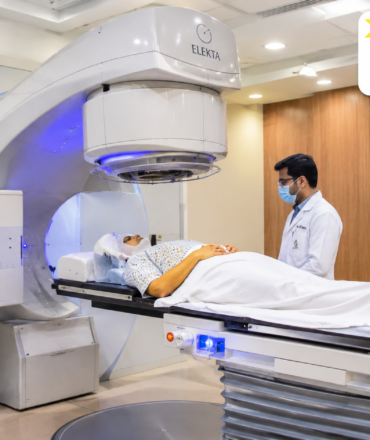
Surgical navigation systems use medical imaging and specialised tracking technologies to help surgeons understand the position of instruments in relation to anatomical structures. When compatible technologies are integrated, intraoperative imaging can provide additional information during complex procedures.
For example, intraoperative ultrasound may help surgeons assess internal structures during an operation, while surgical navigation can support spatial orientation. Fluorescence imaging may provide additional visual information about specific tissues or blood flow.
However, integrating these systems requires careful attention to equipment compatibility, software interfaces, calibration, display arrangements and data exchange.
Hospitals should evaluate whether their existing operating theatre infrastructure can support these technologies before planning further upgrades.
An integrated operating room should not simply contain multiple advanced devices. It should allow these systems to function together in a coordinated manner, with minimal disruption to surgical teams.
Future-Ready Hospital OT Planning: Preparing for Emerging Technologies
Medical technology continues to evolve, and operating theatres designed only around current equipment requirements may require expensive modifications in the future.
Future-ready hospital OT planning should consider flexibility from the beginning.
Hospitals can improve long-term adaptability by planning sufficient electrical capacity, accessible cable management systems, scalable network infrastructure and flexible equipment mounting arrangements. Adequate space for additional displays and imaging devices can also reduce the need for major structural changes during future upgrades.
Another important consideration is staff training. Advanced equipment can deliver its intended benefits only when surgeons, technicians, nurses and biomedical engineering teams understand how to use and maintain it correctly.
Regular equipment assessment, preventive maintenance and technology upgrades should also form part of the hospital’s long-term infrastructure strategy.
The growing role of intraoperative imaging demonstrates that operating theatres are becoming increasingly technology-dependent clinical environments. Infrastructure planning must therefore evolve alongside surgical innovation.
What AIIMS Procurement Indicates for India’s Hospital Infrastructure Sector
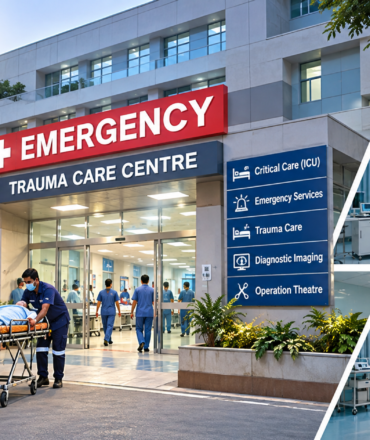
The recent AIIMS New Delhi procurement tenders for intraoperative ultrasound and fluorescence imaging systems offer an important example of how leading healthcare institutions are investing in advanced surgical capabilities.
While the procurement itself relates to specialised medical equipment, it also highlights wider infrastructure considerations for hospitals planning to adopt similar technologies.
Healthcare infrastructure developers, hospital administrators and medical equipment planners must increasingly look beyond conventional OT construction. The requirements of modern operating theatres include reliable power systems, digital connectivity, equipment integration, specialised displays and coordinated clinical workflows.
For India’s growing healthcare infrastructure sector, this creates opportunities to develop operating theatres that are not only equipped for present-day surgical requirements but also adaptable to emerging medical technologies.
As hospitals expand their surgical capabilities, infrastructure planning will play a central role in determining how effectively advanced imaging systems can be introduced into clinical practice.
Frequently Asked Questions (FAQs)
1. What is advanced operating theatre infrastructure?
Advanced operating theatre infrastructure refers to the physical, electrical, digital and technical systems required to support modern surgical procedures, including advanced imaging, surgical navigation and integrated medical equipment.
2. Why is intraoperative imaging important in modern surgery?
Intraoperative imaging provides surgeons with additional visual information during procedures. Technologies such as ultrasound and fluorescence imaging can support anatomical assessment, tissue visualisation and surgical decision-making.
3. What infrastructure is required to install advanced imaging systems in an OT?
Hospitals generally need suitable equipment space, reliable electrical supply, compatible displays, network connectivity, appropriate mounting arrangements and integration with other surgical systems. Exact requirements depend on the equipment manufacturer and intended clinical application.
4. How does fluorescence-guided surgery affect OT planning?
Fluorescence-guided surgery may require specialised imaging equipment, compatible displays and suitable lighting arrangements. Hospitals must assess these requirements while designing the operating theatre layout and surgical workflow.
5. What is an integrated operating room?
An integrated operating room is a technology-enabled surgical environment in which compatible medical devices, imaging systems, displays and digital infrastructure are connected to support coordinated surgical workflows.
Conclusion
The evolution of surgical imaging is changing the way hospitals approach operating theatre design and infrastructure development. As technologies such as intraoperative ultrasound and fluorescence imaging become increasingly important, hospitals must ensure that their operating environments can support these systems safely and efficiently.
The AIIMS New Delhi procurement development highlights the importance of preparing healthcare infrastructure for advanced surgical technologies. However, successful implementation depends on much more than equipment acquisition. Electrical reliability, equipment positioning, digital connectivity, multidisciplinary coordination and future-ready planning are equally important.
For hospital developers, healthcare architects, biomedical engineers and infrastructure decision-makers, the priority should be to create operating theatres that can adapt to the changing needs of modern surgery.
Disclaimer: This article is intended solely for general information and awareness and does not constitute professional advice, recommendation or endorsement; Healthcare Planning Infrastructure assumes no liability for decisions made based on its contents.