
The Government of India has extended the Production Linked Incentive Scheme for Promoting Domestic Manufacturing of Medical Devices (PLI-MD) until 2035–36 and invited fresh applications from manufacturers, with approximately ₹2,700 crore remaining under the scheme. The revised framework aims to strengthen domestic manufacturing, develop critical component supply chains and encourage investment in high-end medical technologies.
The Department of Pharmaceuticals, under the Ministry of Chemicals and Fertilizers, announced the extension on November 10, 2026, introducing simplified eligibility conditions and a more flexible incentive structure to attract new investments. The scheme, initially launched in 2020–21, has supported domestic production of more than 60 high-end medical devices and components, generating manufacturing output valued at over ₹16,000 crore.
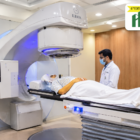
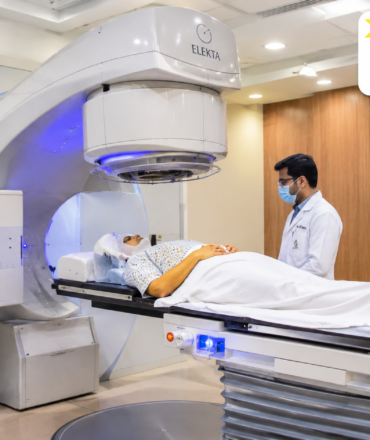
Products manufactured under the scheme include X-ray tubes and detectors, 1.5 Tesla MRI systems, linear accelerators (LINAC), CT scanners, mammography machines, catheterisation laboratories, orthopaedic and cardiac implants, and dialysis equipment.
Under the revised guidelines, applicants will receive three years to establish manufacturing facilities across four target segments.
These include medical consumables, disposables and implants; critical components used in medical devices; high-end medical devices where domestic manufacturing remains at a nascent stage; and advanced devices that are currently only assembled in India.
The government has also introduced differentiated, tapering incentive rates across the four segments. The average incentive rate will be approximately 5% for consumables, disposables and implants, around 9% for critical components and high-end devices with limited domestic manufacturing, and 6% for high-end devices currently assembled in the country.
Several eligibility requirements have been relaxed to improve participation. The minimum sales threshold previously required to claim incentives has been discontinued, while the minimum investment requirement has been reduced. Applicants can submit multiple applications across one or more target segments, and the application window will remain open continuously for an extended period.
A major focus of the revised scheme is developing domestic manufacturing capabilities for critical components, an area where Indian manufacturers continue to face supply-chain constraints. The government expects this approach to improve value-chain integration, strengthen the participation of micro, small and medium enterprises (MSMEs), and enhance the competitiveness of Indian medical device manufacturers.
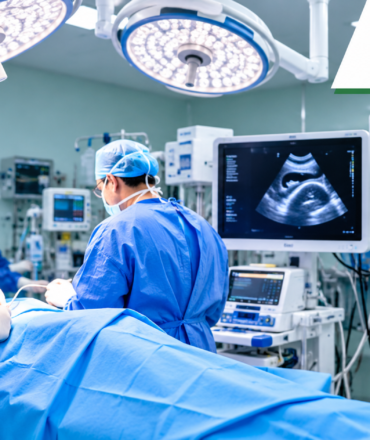
The revised framework also prioritises the manufacturing of advanced medical technologies that are not currently manufactured domestically, including 3 Tesla MRI systems, PET-CT scanners, ultrasound probes and consoles, and high-throughput in-vitro diagnostic analysers.
According to the government, PLI-MD 2.0 is intended to attract investments, generate employment, develop indigenous supply chains, improve the quality of domestically manufactured devices and reduce the cost of medical technologies. The initiative also seeks to strengthen India’s position in the global medical device manufacturing market.
The extension marks a shift towards deeper domestic manufacturing, particularly in critical components and sophisticated medical equipment, as India seeks to reduce import dependence and build a more integrated medical technology ecosystem.
By Healthcare Planning Infrastructure Bureau