
The Government of India has extended its Production Linked Incentive (PLI) Scheme for Promoting Domestic Manufacturing of Medical Devices until 2035–36 and invited fresh applications from manufacturers, with approximately ₹2,700 crore available under the programme. The revised framework aims to strengthen domestic manufacturing, attract investment in advanced medical technologies and reduce dependence on imported medical equipment.
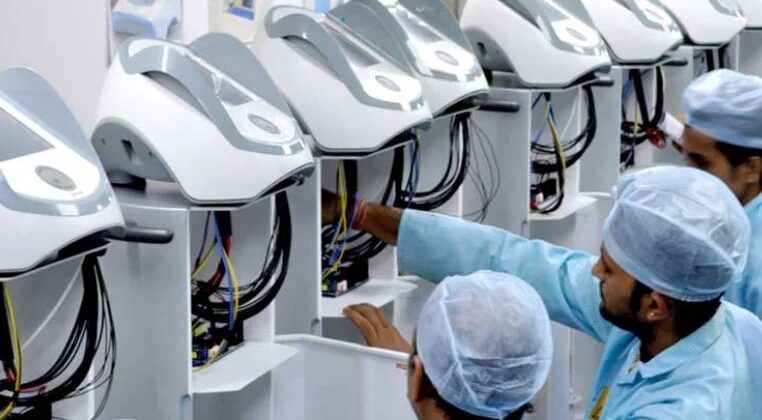
Announced by the Department of Pharmaceuticals under the Ministry of Chemicals and Fertilizers on November 10, the revised scheme, referred to as PLI-MD 2.0, introduces changes to eligibility and investment conditions to make participation more accessible to manufacturers.
Under the revised guidelines, the minimum sales threshold previously required to claim incentives has been discontinued, while the minimum investment requirement has been reduced. Manufacturers will also be permitted to submit multiple applications across one or more target segments, with the application window remaining open for an extended period.
The scheme covers four manufacturing segments: medical consumables, disposables and implants; critical components; high-end medical devices where domestic manufacturing is at a nascent stage; and advanced devices that are currently assembled in India. Applicants will receive three years to establish their manufacturing facilities.
The incentive structure provides average tapering incentives of approximately 5% for medical consumables, disposables and implants, around 9% for critical components and selected high-end medical devices, and 6% for devices currently assembled in India.
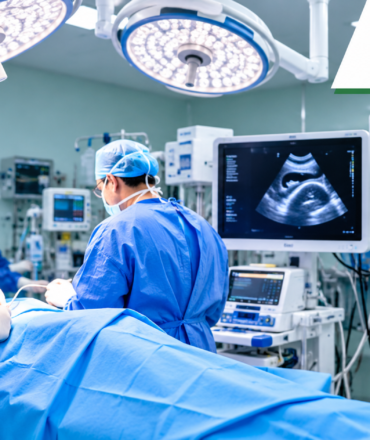
The government has placed particular emphasis on developing domestic capabilities in critical components and advanced medical technologies. The targeted equipment includes 3T MRI machines, PET-CT scanners, ultrasound probes and consoles, and high-throughput in-vitro diagnostic analysers.
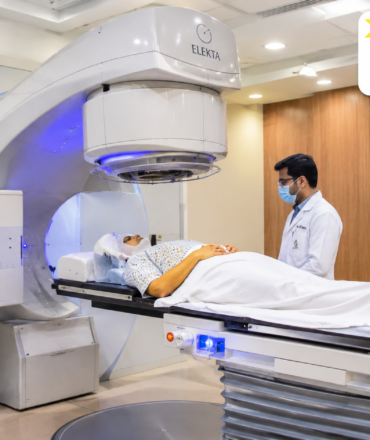
Launched in 2020–21, the medical devices PLI scheme has supported domestic manufacturing of more than 60 high-end medical devices and components, including CT scanners, 1.5T MRI systems, linear accelerators, mammography machines, catheterisation laboratories, X-ray tubes and detectors, cardiac and orthopaedic implants, and dialysers. According to the Department of Pharmaceuticals, production under the scheme has exceeded ₹16,000 crore.
The online application portal is expected to become operational within 10 days of the announcement. The revised guidelines are intended to encourage deeper manufacturing, strengthen indigenous supply chains and create opportunities for micro, small and medium enterprises involved in medical technology components.
The extension marks another policy push towards building India’s domestic medical technology ecosystem, with a greater focus on manufacturing advanced equipment and strengthening the country’s position in the global MedTech market.
By Healthcare Planning Infrastructure Bureau