
India’s healthcare sector is entering an important phase of transformation, with hospitals increasingly investing in advanced medical devices, diagnostic technologies and modern healthcare infrastructure. At the same time, domestic medical device manufacturers are expanding their capabilities to develop products that can meet the growing requirements of healthcare providers. This shift is creating new opportunities for hospitals to explore locally manufactured medical equipment while strengthening India’s position in the global medical technology industry.
However, adopting indigenous technology involves much more than purchasing equipment from domestic manufacturers. Hospitals must evaluate product quality, clinical performance, infrastructure readiness, technical manpower, installation requirements and long-term maintenance support. Medical Equipment Procurement in Hospitals is therefore becoming a strategic decision that directly influences operational efficiency, patient safety and the overall quality of healthcare delivery.
The central question is whether Indian hospitals are adequately prepared to adopt advanced domestically manufactured medical equipment. From procurement planning and biomedical engineering to after-sales service and equipment integration, several factors will determine the success of this transition.
Understanding Medical Equipment Procurement in Hospitals
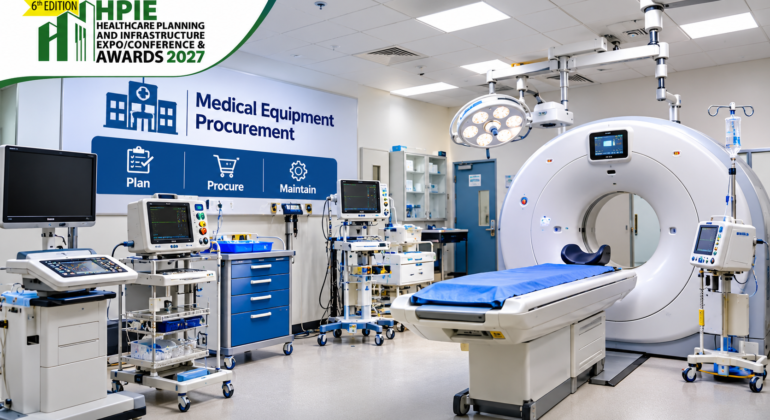
Medical equipment procurement in hospitals involves identifying clinical requirements, evaluating manufacturers, selecting suitable devices, purchasing equipment and ensuring its effective operation throughout its lifecycle. The process covers everything from basic patient monitoring systems and laboratory instruments to advanced imaging machines, ventilators and surgical technologies.
Traditionally, procurement decisions have often focused on purchase price, brand reputation and immediate clinical requirements. However, modern hospitals are increasingly recognising the importance of evaluating equipment based on its complete operational value.
For example, purchasing an advanced diagnostic machine requires consideration of installation costs, electricity requirements, software compatibility, calibration, staff training and future maintenance expenses. A device that appears affordable initially may become expensive if spare parts are difficult to obtain or technical support is unavailable.
This is why hospital administrators, procurement departments and biomedical engineering teams must work together before finalising major equipment purchases.
Hospital Readiness for Domestically Manufactured Medical Equipment
The growing availability of indigenous medical devices presents an opportunity for Indian hospitals to diversify their procurement options. Domestic manufacturing can potentially improve product accessibility, strengthen local service networks and reduce dependence on imported equipment.
However, hospital readiness varies significantly depending on infrastructure, financial resources, technical expertise and clinical requirements.
Large corporate hospitals may have dedicated procurement departments, biomedical engineering teams and established technology management systems. Smaller hospitals and healthcare facilities may face challenges related to investment capacity, trained manpower and maintenance infrastructure.
Before adopting advanced indigenous medical equipment, hospitals must evaluate whether their existing facilities can support the technology.
For instance, installing advanced imaging equipment may require specialised electrical infrastructure, controlled environmental conditions, dedicated installation space and trained operators. Similarly, introducing digital patient monitoring systems requires appropriate connectivity and integration with existing hospital information systems.
Therefore, indigenous equipment adoption should be supported by proper infrastructure assessment and operational planning rather than purchasing decisions based solely on availability or pricing.
Hospital Medical Equipment Planning and Total Cost of Ownership
Hospital medical equipment planning plays an important role in ensuring that investments meet actual clinical and operational requirements. Procurement committees should consult doctors, nurses, hospital administrators and biomedical engineers to identify the equipment needed by different departments.
An important part of this process is evaluating the Total Cost of Ownership (TCO). TCO includes the initial purchase price as well as installation, accessories, consumables, software upgrades, calibration, maintenance, staff training and eventual replacement costs.
For example, an indigenous diagnostic device may have a lower initial purchase price compared with an imported alternative. However, hospitals should also examine its performance, expected lifespan, service availability and recurring operational expenses.
Procurement decisions should consider clinical suitability, regulatory compliance, product reliability, warranty coverage and the manufacturer’s ability to provide long-term support.
A structured procurement strategy can help hospitals avoid unnecessary purchases, reduce equipment downtime and improve the value of their healthcare technology investments.
Biomedical Engineering and Medical Equipment Lifecycle Management
Biomedical engineering is an essential component of modern hospital operations. Biomedical engineers help evaluate medical devices, assess technical specifications, oversee installation and ensure that equipment remains safe and functional.
Their involvement should begin during the procurement process rather than after the equipment arrives at the hospital.
These professionals can assess electrical requirements, infrastructure compatibility, software integration, maintenance accessibility and technical specifications before a purchase is approved.
Medical equipment lifecycle management continues beyond installation. It includes equipment registration, commissioning, calibration, performance verification, preventive maintenance, repairs and eventual replacement.
Hospitals should maintain detailed equipment records covering installation dates, warranty information, service history, maintenance schedules and operational performance.
Digital equipment management systems can make this process more efficient by allowing hospital administrators and biomedical engineering departments to monitor equipment status and identify maintenance requirements.
A well-managed lifecycle approach improves equipment utilisation and supports better long-term financial planning.
Installation, Calibration, Testing and Maintenance Requirements
Purchasing medical equipment does not automatically make it ready for clinical use. Proper installation, calibration and performance testing are necessary before devices are introduced into routine hospital operations.
Installation must follow the manufacturer’s technical specifications and the hospital’s infrastructure requirements. Electrical safety, environmental conditions, equipment positioning and connectivity should be assessed carefully.
Calibration is particularly important for medical devices that measure or monitor clinical parameters. It helps ensure that equipment operates within its specified accuracy requirements.
After installation, testing and commissioning should verify that the device performs according to applicable specifications. Hospitals should maintain relevant installation records, calibration certificates, acceptance test reports and commissioning documentation.
Medical equipment maintenance must also be planned from the beginning. Preventive maintenance helps identify potential faults before they interrupt hospital services, while corrective maintenance addresses problems after equipment failure.
Annual Maintenance Contracts (AMCs) and Comprehensive Maintenance Contracts (CMCs) can support organised servicing arrangements. However, hospitals should carefully evaluate service response times, spare-parts availability and contractual responsibilities before selecting a maintenance provider.
Availability of Trained Technical Manpower
One of the major challenges associated with advanced healthcare technology adoption is the availability of trained technical manpower.
Modern medical equipment often involves specialised software, digital interfaces, connectivity features and complex operating procedures. Hospitals require qualified biomedical engineers, technicians and clinical operators who understand how to operate and maintain these systems.
Even technologically advanced equipment may remain underutilised if hospital staff do not receive adequate training.
Manufacturers should provide installation guidance, product demonstrations, technical documentation and appropriate operator training. Hospitals should also conduct regular refresher programmes to ensure that clinical and technical teams remain familiar with equipment functions and safety procedures.
For example, introducing an advanced patient monitoring system requires nurses and other clinical professionals to understand its operating features, alarm settings and reporting capabilities. Similarly, biomedical engineers must be trained to identify technical issues and coordinate servicing.
Investing in skilled manpower is therefore just as important as investing in medical devices.
After-Sales Service, Spare Parts and Equipment Uptime
Reliable after-sales service is a critical factor in medical equipment procurement. Equipment failure can interrupt diagnostic services, delay treatment and increase pressure on other hospital departments.
For this reason, hospitals must evaluate a manufacturer’s service infrastructure before finalising procurement decisions.
Important considerations include the availability of qualified service engineers, spare-parts inventory, technical assistance, warranty conditions and maintenance response times.
Equipment uptime is particularly important for critical care units, operation theatres, emergency departments and diagnostic facilities. Hospitals should establish service-level agreements that clearly define maintenance responsibilities, response times and escalation procedures.
Indigenous manufacturers may have an opportunity to build trust by offering accessible service networks and faster spare-parts support. However, local manufacturing alone does not guarantee reliable servicing. Manufacturers must establish the necessary technical infrastructure to support their products throughout their operational life.
Integration of Indigenous Medical Devices into Existing Hospital Systems
Modern hospitals increasingly depend on interconnected digital infrastructure. Hospital Information Systems (HIS), Electronic Medical Records (EMR), Laboratory Information Systems (LIS) and Picture Archiving and Communication Systems (PACS) support the management and exchange of clinical information.
Indigenous medical devices must be evaluated for their ability to integrate with these existing systems.
For example, diagnostic imaging equipment should support appropriate integration with hospital imaging and reporting workflows. Similarly, patient monitoring systems should be capable of exchanging relevant clinical data with compatible hospital information platforms.
Hospitals should assess connectivity options, interoperability standards, cybersecurity requirements and data protection practices before introducing new devices.
Successful integration can reduce manual data entry, improve information accessibility and support better coordination between clinical departments.
Manufacturers should therefore consider software compatibility and interoperability during product development rather than treating them as additional features after manufacturing.
Can Indigenous Medical Technology Strengthen India’s Healthcare Infrastructure?
India’s domestic medical device industry has significant potential to support the country’s healthcare infrastructure. Local manufacturing can create opportunities for innovation, employment generation and improved availability of medical technology.
Government initiatives supporting domestic manufacturing, including the Production Linked Incentive (PLI) Scheme for medical devices, have contributed to efforts to strengthen India’s manufacturing ecosystem.
However, the long-term success of indigenous medical technology will depend on product quality, clinical validation, regulatory compliance and the ability to meet real hospital requirements.
Hospitals should evaluate domestic and imported equipment using consistent standards rather than making decisions based entirely on the country of manufacture.
Greater collaboration between healthcare institutions, manufacturers, research organisations and biomedical engineering professionals can help develop devices that address practical clinical challenges.
The objective should be to create a reliable medical technology ecosystem that supports affordable, accessible and quality healthcare across India.
Frequently Asked Questions (FAQs)
1. What is medical equipment procurement in hospitals?
Medical equipment procurement in hospitals is the process of identifying, evaluating, purchasing, installing and maintaining medical devices required for diagnosis, treatment, monitoring and patient care.
2. What should hospitals consider before purchasing indigenous medical equipment?
Hospitals should evaluate clinical performance, regulatory compliance, technical specifications, installation requirements, total cost of ownership, staff training, spare-parts availability and after-sales service.
3. Why is biomedical engineering important in hospital equipment management?
Biomedical engineering professionals help hospitals evaluate, install, test, maintain and troubleshoot medical devices. They also support equipment safety, performance monitoring and lifecycle management.
4. How can hospitals reduce medical equipment downtime?
Hospitals can reduce downtime through preventive maintenance, regular calibration, trained technical manpower, suitable maintenance contracts and reliable spare-parts support.
5. What is the Total Cost of Ownership in medical equipment procurement?
Total Cost of Ownership refers to the complete financial investment required throughout the equipment’s lifecycle, including purchase, installation, training, consumables, servicing, maintenance and replacement.
Conclusion
The future of medical equipment procurement in hospitals will depend on how effectively healthcare providers balance technology adoption, financial planning and operational readiness. Indigenous medical technology offers Indian hospitals an opportunity to explore domestic alternatives, strengthen local manufacturing and improve access to healthcare equipment.
However, successful adoption requires much more than competitive pricing. Hospitals must invest in proper procurement strategies, biomedical engineering capabilities, trained technical manpower, installation infrastructure and reliable after-sales support.
Manufacturers must also focus on product quality, interoperability, spare-parts availability and long-term servicing to build confidence among healthcare providers.
Ultimately, the success of indigenous medical technology should be measured by its reliability in real hospital environments and its contribution to better patient care.
Disclaimer: This article is intended solely for general information and awareness and does not constitute professional advice, recommendation or endorsement; Healthcare Planning Infrastructure assumes no liability for decisions made based on its contents.