
Building a hospital is a complex process that involves much more than constructing buildings, installing medical equipment and completing interior work. A healthcare facility must be properly tested, inspected and validated before it can safely begin treating patients. Even when construction is complete, a hospital may not be ready for daily operations until all its systems, equipment and departments have been checked and approved for use.
This is where Hospital Commissioning in India becomes an essential part of healthcare infrastructure development. Commissioning connects the construction phase with actual hospital operations by ensuring that every critical system performs according to its intended purpose. It also helps identify technical issues, operational gaps and safety concerns before patients and healthcare professionals start using the facility.
With increasing investments in hospitals, medical colleges, diagnostic centres and specialised healthcare facilities, the importance of proper commissioning is growing across India. Healthcare organisations need to ensure that their infrastructure is not only completed on time but also functions efficiently from the first day of operation.
Understanding the commissioning process helps hospital owners, project developers, consultants and healthcare administrators reduce operational risks and achieve better long-term infrastructure performance.
What Is Hospital Commissioning and Why Does It Matter?
Hospital commissioning is a systematic process of checking, testing and verifying that a hospital’s building systems, medical equipment, utilities and operational facilities are installed correctly and function as intended.
It generally begins during the later stages of construction and continues through equipment installation, system testing, documentation, staff training and final operational readiness.
Unlike a routine building inspection, commissioning looks at how different hospital systems work together. For example, an intensive care unit (ICU) depends on reliable electrical supply, medical gas pipelines, ventilation, monitoring equipment and emergency backup systems. If even one critical component fails, patient care can be affected.
The importance of Hospital Commissioning in India can be understood through several key factors.
First, it helps ensure patient safety by identifying potential failures before the facility becomes operational. Second, it improves infrastructure performance by checking whether installed systems meet their specified requirements. Third, it reduces unexpected maintenance expenses and operational disruptions.
Most importantly, commissioning gives hospital management confidence that the facility is ready to deliver healthcare services.
From Hospital Project Handover to Operational Readiness
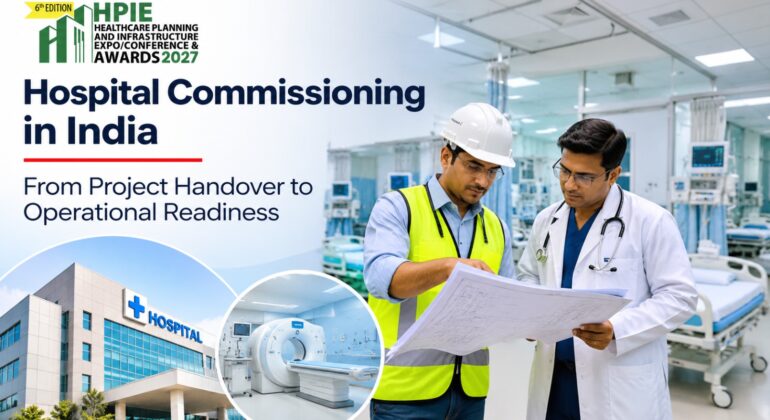
Project handover is often considered the final stage of hospital construction. However, receiving the building from a contractor does not automatically mean that the hospital is ready to open.
A successful transition requires proper coordination between construction teams, architects, engineering consultants, equipment suppliers, hospital administrators and clinical departments.
1. Reviewing Construction Completion and Documentation
The first step involves reviewing whether the completed infrastructure matches the approved design, technical specifications and project requirements.
Project teams should examine architectural drawings, electrical layouts, plumbing systems, fire safety arrangements and mechanical installations. They should also verify whether construction-related defects have been identified and addressed.
Important documents include:
- As-built drawings and approved layouts.
- Equipment installation records.
- Electrical and mechanical testing reports.
- Fire safety documentation.
- Operation and maintenance manuals.
- Warranty and service agreements.
- Statutory approvals and applicable certificates.
Proper documentation supports future maintenance, troubleshooting and facility management.
2. Checking Building Services and Critical Infrastructure
Hospitals depend on several interconnected building services that must operate continuously and reliably.
These include electrical distribution, HVAC systems, water supply, drainage, fire protection, lifts, communication networks and backup power arrangements.
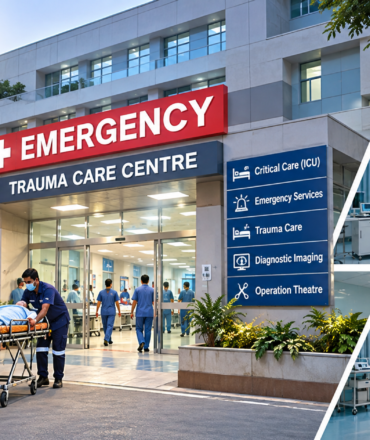
For example, an emergency department cannot function effectively if its backup power system fails during an electricity interruption. Similarly, an operating theatre requires properly functioning ventilation and environmental controls.
During Hospital Commissioning in India, these systems should be tested under suitable operating conditions to identify problems before the hospital receives patients.
Medical Equipment Commissioning: Ensuring Clinical Readiness
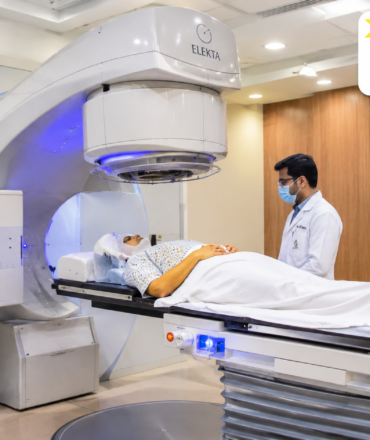
Medical equipment plays a central role in modern healthcare delivery. From MRI scanners and CT machines to ventilators, anaesthesia workstations and patient monitoring systems, every device must be installed and checked according to its intended use.
However, purchasing and installing equipment is only one part of the process. Healthcare organisations must ensure that the equipment operates safely, accurately and consistently.
Installation and Performance Testing
Medical Equipment Commissioning involves verifying that devices have been installed according to manufacturer specifications and relevant technical requirements.
Testing may include checking electrical safety, calibration, connectivity, operating performance and compatibility with hospital infrastructure.
For instance, an MRI machine requires suitable electrical infrastructure, cooling arrangements, magnetic safety provisions and environmental controls. If these requirements are not properly addressed during installation, the equipment may experience operational problems.
Similarly, ventilators and anaesthesia machines require appropriate performance and safety checks before clinical use.
Staff Training and Equipment Familiarisation
Even technically advanced equipment cannot deliver its full value if healthcare professionals do not know how to operate it correctly.
Equipment suppliers and clinical engineering teams should provide appropriate training to doctors, nurses, technicians and biomedical engineers.
Training should cover equipment operation, emergency procedures, routine maintenance, troubleshooting and safety precautions.
This ensures that medical equipment becomes a useful clinical resource rather than an underutilised investment.
Hospital Validation: Testing Safety, Performance and Compliance
Hospital validation is an important stage in confirming that the facility and its systems meet defined performance, safety and operational requirements.
While commissioning checks whether systems have been installed and function as intended, validation provides documented evidence that specific processes, environments or equipment are suitable for their intended use.
HVAC and Indoor Air Quality Validation
Heating, ventilation and air conditioning systems are particularly important in critical healthcare areas.
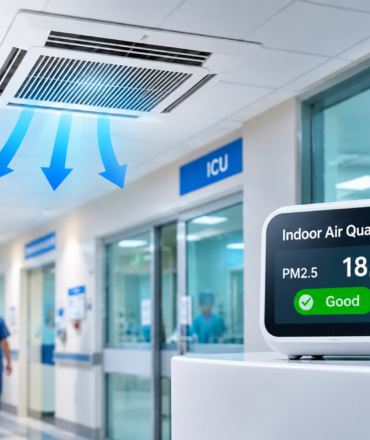
Operating theatres, intensive care units, isolation rooms and specialised treatment areas may have specific requirements relating to temperature, humidity, air changes and pressure differentials.
Testing should verify that the installed systems achieve the applicable design and regulatory requirements.
Medical Gas Pipeline Testing
Medical gas systems supply essential gases such as oxygen, medical air and vacuum services to different clinical departments.
Testing should cover pipeline integrity, leakage, pressure, terminal units, alarms and relevant safety arrangements.
Any problem in these systems can directly affect clinical activities, making proper inspection and validation essential.
Fire Safety and Emergency Systems
Fire detection, alarms, suppression systems, emergency lighting and evacuation arrangements must be checked before hospital operations begin.
Healthcare facilities require particular attention because many patients may have limited mobility or need assistance during emergencies.
Commissioning teams should also verify that hospital staff understand emergency procedures and know how to respond to different situations.
Hospital Project Management and Healthcare Project Execution
Successful commissioning does not happen independently. It depends on effective Hospital Project Management and coordination throughout the construction and development process.
One common challenge in healthcare infrastructure projects is the lack of communication between construction contractors, equipment suppliers, consultants and hospital operations teams.
For example, medical equipment may arrive at the hospital before the required electrical connections or room conditions are ready. This can lead to installation delays, additional costs and project complications.
A structured Healthcare Project Execution strategy can help avoid such situations.
Coordination Between Different Project Teams
Hospital developers should establish clear responsibilities for architects, civil contractors, MEP consultants, biomedical engineers, equipment suppliers and hospital administrators.
Regular coordination meetings can help track progress, resolve technical issues and identify dependencies between different activities.
Testing Before Final Handover
A proper commissioning schedule should include inspections, equipment testing, system integration checks and documentation reviews.
Instead of waiting until construction is completely finished, testing activities should be planned during the earlier project stages.
This approach helps identify problems when they are easier and less expensive to correct.
Preparing the Hospital Operations Team
Hospital administrators and department heads should participate in commissioning activities.
They can review patient movement, emergency access, department workflows, equipment placement, storage arrangements and support services.
This ensures that infrastructure decisions are practical for everyday hospital operations.
Common Challenges in Hospital Commissioning in India
Despite growing awareness, healthcare infrastructure projects can face several challenges during commissioning.
Coordination gaps: Different contractors and equipment suppliers may work independently, resulting in delays and incomplete system integration.
Incomplete documentation: Missing as-built drawings, testing reports and equipment manuals can create difficulties during maintenance and future inspections.
Last-minute equipment installation: Delayed procurement and installation can affect testing schedules and operational readiness.
Insufficient staff training: Healthcare professionals may not receive adequate training before the facility becomes operational.
Regulatory and compliance requirements: Hospitals must address applicable building, fire safety, environmental, electrical and healthcare-related requirements. These can vary according to the facility, its location and the services offered.
Budget and timeline pressure: Project teams sometimes prioritise construction completion over proper testing and validation, increasing the possibility of operational issues.
Addressing these challenges requires early planning, experienced technical teams and a structured commissioning strategy.
Best Practices for Successful Hospital Infrastructure Commissioning
Healthcare organisations can improve commissioning outcomes by following a systematic approach throughout the project lifecycle.
The first step is to develop a commissioning plan during the hospital planning stage rather than treating it as a last-minute activity. This plan should identify critical systems, testing requirements, responsibilities and completion milestones.
Second, project developers should involve hospital operations teams early. Their practical understanding of clinical workflows can help identify infrastructure issues before they become expensive problems.
Third, every critical system should undergo documented testing. This includes electrical systems, HVAC, medical gas pipelines, fire protection, water supply and medical equipment.
Fourth, training should be completed before operational handover. Doctors, nurses, technicians and facility management personnel should understand the systems they will use.
Finally, hospitals should maintain a structured record of testing reports, equipment warranties, maintenance schedules and operating procedures.
These practices make Hospital Commissioning in India more organised, transparent and effective while supporting long-term infrastructure performance.
The Future of Hospital Commissioning in India’s Healthcare Sector
India’s healthcare infrastructure is evolving with investments in advanced medical technology, specialised treatment centres, medical colleges and large multispecialty hospitals.
As healthcare facilities become more technologically advanced, commissioning requirements are also becoming more comprehensive.
Digital building management systems, integrated medical equipment networks, energy-efficient infrastructure and automated monitoring technologies are changing how hospitals manage their facilities.
The growing use of smart healthcare infrastructure also increases the importance of checking system connectivity, data integration, cybersecurity arrangements and equipment compatibility.
In the coming years, commissioning will increasingly become an important part of healthcare infrastructure planning rather than simply a final construction activity.
Hospitals that invest in structured testing, validation and operational readiness can improve patient safety, reduce infrastructure-related disruptions and protect their long-term investments.
FAQs
Hospital Commissioning in India is the systematic process of inspecting, testing and verifying hospital infrastructure, building services and medical equipment to ensure they function safely and according to their intended requirements before clinical operations begin.
Hospital commissioning helps identify technical problems, improve patient safety, verify equipment performance, reduce operational risks and ensure that critical infrastructure is ready before the hospital opens.
Medical equipment commissioning generally includes installation verification, electrical safety checks, calibration where applicable, performance testing, functional checks, documentation and staff training.
Commissioning verifies that installed systems and equipment operate according to their design requirements. Validation provides documented evidence that specific systems, processes or environments consistently meet their defined intended-use requirements.
Commissioning planning should begin during the design and construction stages. Actual inspections and testing take place progressively as systems and equipment are installed, followed by integrated testing and operational readiness checks before opening.
Conclusion: Making Hospital Infrastructure Ready for Better Healthcare
A completed hospital building is only the beginning of a successful healthcare facility. Its real value depends on how safely, efficiently and reliably it operates after opening.
Hospital Commissioning in India plays a critical role in connecting project handover with operational readiness. Through proper infrastructure inspections, medical equipment testing, system validation and staff training, healthcare organisations can reduce operational risks and create facilities that support quality patient care.
As India’s healthcare sector continues to expand, hospital developers, project consultants and healthcare administrators must give commissioning the attention it deserves.
Investing in proper Hospital Project Management, Medical Equipment Commissioning and Hospital Validation from the early stages can help ensure that healthcare infrastructure delivers its intended value over the long term.
Disclaimer: This article is intended solely for general information and awareness and does not constitute professional advice, recommendation or endorsement; Healthcare Planning Infrastructure assumes no liability for decisions made based on its contents.