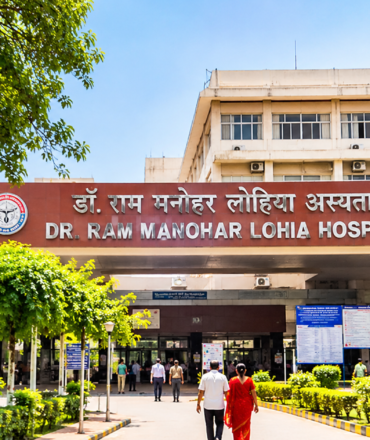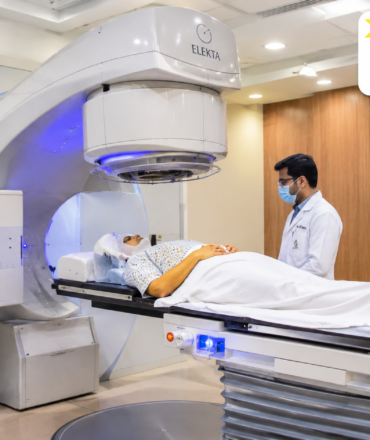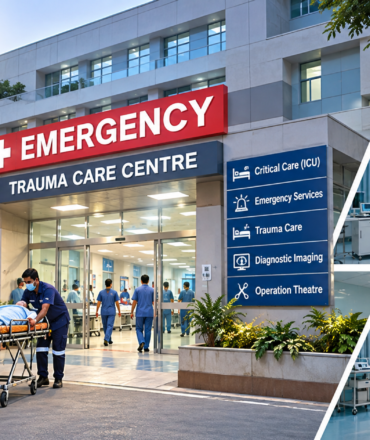

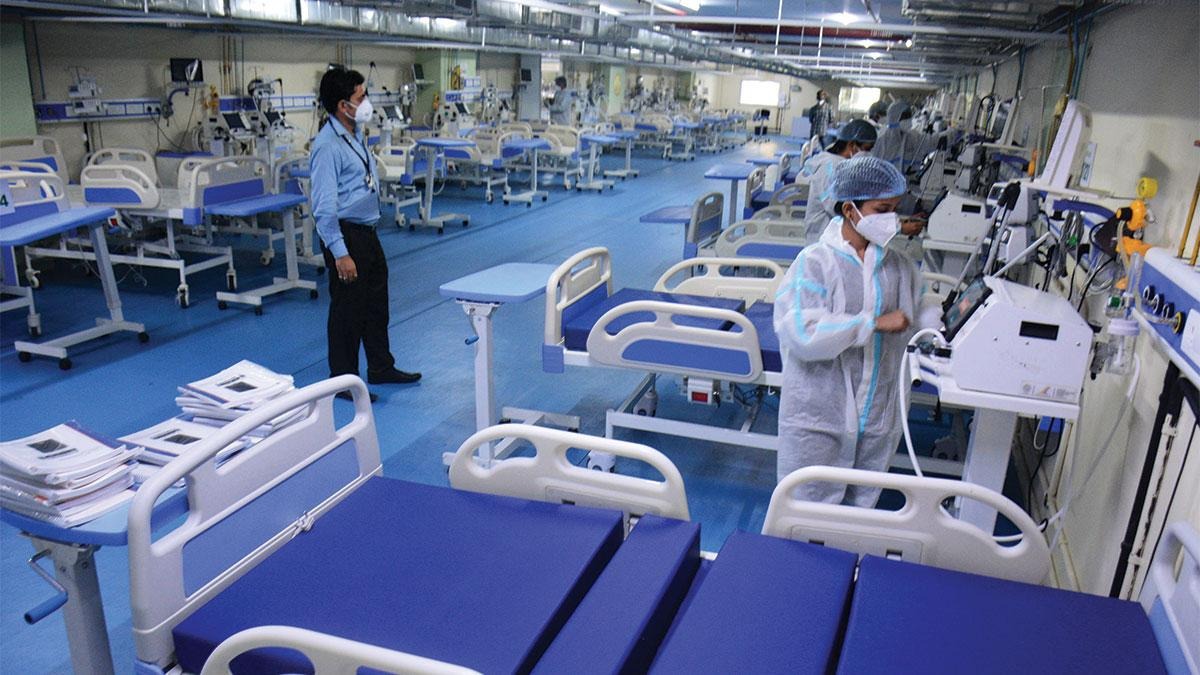
As India advances towards Viksit Bharat @2047, the challenge is to mobilise sufficient capital for hospital construction, modernisation and expansion while ensuring that investments translate into accessible, operational and sustainable healthcare services.
Financing India’s Healthcare Future
India’s healthcare infrastructure ambitions for 2047 will require sustained investment in hospitals, medical colleges, diagnostic facilities, critical-care infrastructure and the modernisation of existing healthcare institutions. As demand for specialised treatment grows, the country must determine not only how much capital is required, but also where it should be deployed and how effectively it can be converted into functioning healthcare services.
The funding landscape includes central and state government expenditure, private hospital investments, institutional capital, public-private partnerships and international investors. Government funding supports public healthcare infrastructure, while private capital finances hospital expansion, acquisitions, new facilities and technology upgrades.
However, the amount invested does not automatically indicate how much healthcare capacity has been created. Acquiring an existing hospital, constructing a new facility and upgrading an ageing hospital are different forms of investment, with different implications for capacity and patient access.
As India moves towards Viksit Bharat @2047, healthcare infrastructure investment must therefore be evaluated through three questions: how much capital is being committed, what infrastructure is being delivered, and whether that infrastructure can operate sustainably.
Government Funding: The Foundation of Public Healthcare Infrastructure
Public investment remains essential to strengthening India’s healthcare infrastructure, particularly in areas where private investment may be limited by affordability, demand or operating costs.
The Union Budget 2026–27 allocated ₹1,06,530.42 crore to the Ministry of Health and Family Welfare, approximately 10% higher than the revised estimates for 2025–26. This allocation covers multiple health programmes and institutions; it should not be interpreted as expenditure exclusively on hospital construction.
Within this budget, the Pradhan Mantri Ayushman Bharat Health Infrastructure Mission (PM-ABHIM) received ₹4,770 crore for 2026–27, compared with revised estimates of ₹2,845 crore for the previous financial year. The allocation comprises ₹570 crore under the Central Sector component and ₹4,200 crore under the Centrally Sponsored Scheme component.
PM-ABHIM was originally approved with an outlay of ₹64,180 crore for FY2021–22 to FY2025–26. Its objectives include strengthening public health infrastructure, developing critical-care facilities and improving laboratory and surveillance capacity.
The original scheme outlay and the annual budget allocation are different financial measures. Neither, by itself, establishes how much infrastructure has been completed or how much funding has been spent.
The next step is to connect budget allocations with project-level information on fund utilisation, construction progress, commissioning and operational readiness. This would help policymakers determine whether public investment is translating into stronger healthcare delivery.
Private Hospital Investment: Expansion at Scale
Private hospital operators are becoming important contributors to India’s capacity expansion. Their investment strategies include greenfield projects, which involve constructing new facilities; brownfield expansion, which adds capacity to existing hospitals; and acquisitions of operating or under-construction facilities.
CRISIL Ratings reported in April 2026 that major hospital chains were expected to add more than 12,000 beds across FY2026 and FY2027, including additions through acquisitions. It projected annual capital expenditure of approximately ₹14,500–15,000 crore during the two financial years.
These are industry projections rather than confirmed totals of completed beds or actual expenditure. CRISIL also projected that approximately 85% of the expected capacity additions would be concentrated in northern and southern India, with a significant focus on higher-end specialities.
This raises questions about the geographical distribution of investment and whether underserved regions will attract sufficient capital. Private hospital expansion can improve access to advanced treatment, but its benefits depend on location, affordability, workforce availability and the ability to sustain operations.
CAPEX: How Much Are Hospital Chains Investing in Expansion?
Capital expenditure (CAPEX) covers investment in new hospitals, additional beds, medical equipment and modernisation. Beyond the sector-wide projection, Apollo Hospitals announced an expansion programme of approximately ₹8,000 crore to add around 4,300 beds over five years. Narayana Health also planned to invest approximately ₹3,000 crore to add 2,000 beds in India over three years.
These are announced expansion plans, not necessarily expenditure already incurred. Acquisition costs should also be distinguished from construction expenditure because purchasing an existing hospital does not automatically create new physical capacity.
Tracking actual CAPEX alongside construction progress, commissioning dates and operational beds can help determine whether investment commitments are translating into additional healthcare infrastructure.
EBITDA: Can Hospital Expansion Be Financially Sustainable?
EBITDA (earnings before interest, taxes, depreciation and amortisation) helps assess a hospital operator’s operating profitability before financing costs, taxes and depreciation-related charges.
New hospitals need sufficient operating revenue to support staffing, equipment, utilities and maintenance. They may also take time to achieve stable occupancy. EBITDA can provide insight into operating performance and the ability to support future expansion, but it is not a direct measure of cash available for construction or proof of affordable, accessible care.
EBITDA margins should therefore be assessed alongside revenue growth, occupancy, debt and operating costs, while accounting for differences in companies’ reporting methods.
For Viksit Bharat @2047, CAPEX measures investment in physical capacity, while EBITDA offers insight into operating performance. Both should be evaluated alongside commissioned beds, operational readiness, geographical access and patient affordability.
Greenfield Construction, Modernisation and Public-Private Partnerships
Healthcare investment must address both the construction of new hospitals and the improvement of existing facilities.
Greenfield projects can create capacity in areas with limited hospital infrastructure. Brownfield expansion can increase capacity at established hospitals, often using existing land, services and clinical networks. Refurbishment can improve patient safety, replace obsolete equipment and modernise buildings without necessarily adding beds.
These approaches require different funding strategies. New hospitals involve land, construction, equipment and recruitment costs, while modernisation projects may require investment in structural repairs, fire safety, medical gas systems, intensive-care units and digital infrastructure.
Public-private partnerships can provide another route for developing healthcare facilities. Under these arrangements, public authorities and private organisations may share responsibilities for financing, construction, management or service delivery. The terms of each agreement determine who bears construction risks, operating costs and long-term financial obligations.
A recent example is Park Medi World’s planned 550-bed multispeciality hospital in Prayagraj, for which construction began in October 2026. The project involves an estimated investment of ₹200 crore and a partnership with Prayagraj Municipal Corporation. It is expected to be completed within two years.
The project illustrates how private hospital investment and municipal partnerships can support healthcare expansion beyond major metropolitan markets. However, its 550 beds represent planned capacity, not beds already operational.
Investment Must Include the Cost of Running Hospitals
The financial requirements of healthcare infrastructure extend beyond construction. Hospitals need trained doctors and nurses, medical equipment, medicines, electricity, water, maintenance, information systems and regular replacement of ageing assets.
A project may be completed within budget but still face operational constraints if recruitment is delayed or sufficient funding is unavailable for equipment and essential services. Hospitals in areas with lower patient volumes may also require different financial models from facilities in high-demand metropolitan markets.
Infrastructure planning should therefore incorporate lifecycle costs from the beginning. Capital expenditure must be considered alongside recurring operating expenditure, workforce planning and long-term maintenance.
This is particularly important for public hospitals, where the responsibility to provide affordable services must be balanced with the financial resources required to maintain quality and safety. Private operators must also manage the period before newly commissioned hospitals reach stable occupancy.
The policy objective should be to ensure that investment creates hospitals that can deliver services consistently, rather than infrastructure that is physically complete but operationally constrained.
Major Investors: India and Overseas Markets
Company-level examples illustrate the range of investment models shaping hospital infrastructure. These figures are not directly comparable because some represent expansion budgets, while others represent acquisitions or ownership investments.
- Apollo Hospitals: Its announced expansion programme involves approximately ₹8,000 crore to add around 4,300 beds over five years. The plan includes new construction, expansion and acquisitions.
- Manipal Health Enterprises: Reuters reported in July 2026 that the company planned to invest ₹4,000 crore to add 2,400 beds over three to four years. The company is backed by Singapore-based Temasek and other investors.
- Narayana Health: The company has reported plans for approximately ₹3,000 crore in domestic expansion to add 2,000 beds over three years. Internationally, it acquired the UK’s Practice Plus Group Hospitals for approximately ₹2,200 crore in 2025, gaining an established hospital network rather than constructing an equivalent number of new beds.
- KKR and Temasek: These international investors have participated in ownership and investment transactions involving Indian healthcare businesses. Such investments can support expansion and consolidation, but transaction values should not automatically be counted as new hospital construction expenditure.
Indian hospital operators are also expanding overseas. Narayana Health’s UK acquisition is a documented example, while Apollo Hospitals has pursued international hospital-management and partnership opportunities, including an agreement to manage a hospital in Baghdad.
Management agreements and asset-light partnerships must be distinguished from direct investment in overseas construction. Publicly disclosed information does not establish a comprehensive total of Indian companies’ spending on hospital construction abroad.
Investment Priorities for Viksit Bharat @2047
India’s healthcare investment strategy should focus on converting financial commitments into measurable infrastructure outcomes.
First, track investment against delivery. Public and private projects should report expenditure, construction milestones, commissioned capacity and operational beds separately.
Second, improve geographical distribution. Financing should address regional shortages as well as demand in established urban healthcare markets.
Third, plan for operational sustainability. Project budgets should include staffing, equipment, maintenance and recurring operating costs, not just construction.
Fourth, strengthen accountability. Public-private partnerships should have transparent responsibilities, service expectations and monitoring mechanisms.
Finally, investment evaluation should consider whether infrastructure improves access to appropriate care. New hospitals, upgraded district facilities and specialised treatment centres can all contribute, but their value depends on whether patients can reach and afford the services they provide.
Conclusion: Financing India’s Healthcare Future
India’s healthcare infrastructure ambitions for 2047 will require sustained capital from government programmes, private hospital operators and institutional investors. Budget allocations and private-sector expansion plans indicate substantial activity, while CAPEX and EBITDA provide complementary perspectives on infrastructure investment and operating performance.
However, announcements alone cannot demonstrate the capacity delivered. The real test is whether funding produces operational hospitals, appropriately staffed beds, modernised facilities and improved access across regions.
For Viksit Bharat @2047, the measure of healthcare investment must ultimately be the services, capacity and sustainable access it delivers not simply the amount of money committed.